
 DNA Synthesis
 Vector Selection
 Molecular Biology
 Oligo Synthesis
 RNA Synthesis
 Variant Libraries
 Genome KO Library
 Oligo Pools
 Virus Packaging
 Gene Editing
 Protein Expression
 Antibody Services
 Peptide Services
 DNA Data Storage
 Standard Oligo
 Standard Genome KO Libraries
 Standard Genome Editing Plasmid
 ProXpress
 Protein Products
As we work with researchers across different fields, we often see recurring challenges in siRNA Drugs development. Designing siRNA that performs reliably requires attention to sequence selection, delivery considerations, and off-target control, especially when the molecule may later support therapeutics development. These considerations influence success rates from the earliest stages, and they shape how delivery methods such as GalNAc Technology are evaluated. At Synbio Technologies, we observe these issues frequently when supporting teams who need dependable design and synthesis workflows.
Inconsistent Sequence Selection and Limited Biological Context
A common challenge arises when teams focus only on computational predictions without integrating biological context. Sequence candidates for siRNA Drugs may appear suitable but fail to achieve the expected activity once introduced into complex cellular environments. When designing siRNA, researchers must consider transcript variants, accessibility, and degradation patterns. In projects connected to therapeutics, overlooking these elements can delay validation cycles. To avoid this, we encourage early integration of experimental data, including expression information and known regulatory interactions. When projects involve GalNAc Technology, understanding receptor distribution and cellular uptake patterns also becomes essential, since these factors determine how much of the designed molecule will reach its intended target.
Delivery Challenges and Off-Target Interference
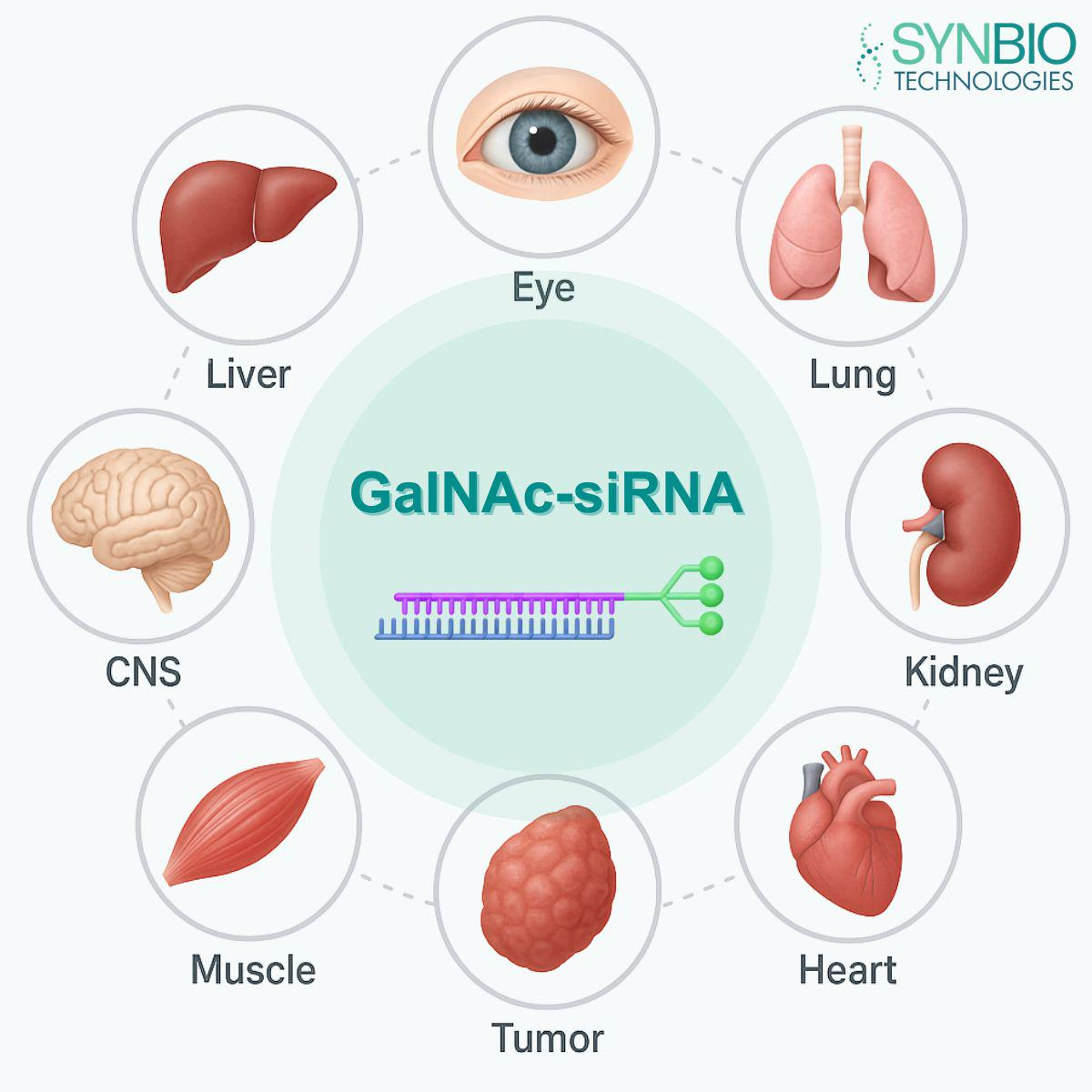
Even well-designed sequences may underperform if delivery efficiency is inconsistent. For siRNA Drugs, stability and targeted transport strongly influence measurable activity. As we support customers in preparing siRNA for exploratory or preclinical research, we frequently see delivery routes evaluated alongside sequence refinement. For applications aiming at therapeutics, stability against serum degradation and unintended tissue exposure must be assessed early. GalNAc Technology offers a structured approach for liver-targeted delivery, but only when the conjugation design matches the project’s biological goal. To avoid off-target effects, teams should evaluate potential partial matches, unintended pathway interactions, and accessory sequence motifs that may alter cellular response.
Workflow Fragmentation and Insufficient Validation
Another pitfall occurs when design, synthesis, and testing are handled through disconnected workflows. This fragmentation can slow progress and make it difficult to compare data across cycles. For teams developing siRNA Drugs, alignment between design logic and synthesis quality is essential for evaluating each siRNA candidate accurately. When preparing materials that may later contribute to therapeutics, consistent validation helps identify sequence features that influence activity. For projects incorporating GalNAc Technology, early pilot tests help refine both sequence and conjugation strategy. To support these needs, our company provides integrated design-to-validation services that help researchers maintain continuity throughout the entire process.
Conclusion: Strengthening siRNA Design Through Structured Approaches
Effective design of siRNA Drugs depends on avoiding fragmented workflows, delivery issues, and incomplete biological evaluation. By approaching siRNA development with structured validation and clear context, teams can reduce obstacles as they move toward applications in therapeutics research. When combined thoughtfully, sequence refinement and GalNAc Technology offer researchers dependable pathways for targeted studies. At Synbio Technologies, we continue supporting these efforts by offering reliable design and synthesis capabilities that help researchers move confidently through each development stage.